
Layers of Time and Place
Field Notes from the Studio — Entry One
Lately I’ve been thinking a lot about how places hold memory.
Old maps, worn papers, fragments of handwriting, garden paths, seed heads, weathered wood—each one carries evidence of time passing through it. I’ve always been drawn to these quiet layers. They remind me that every surface has a story underneath it.
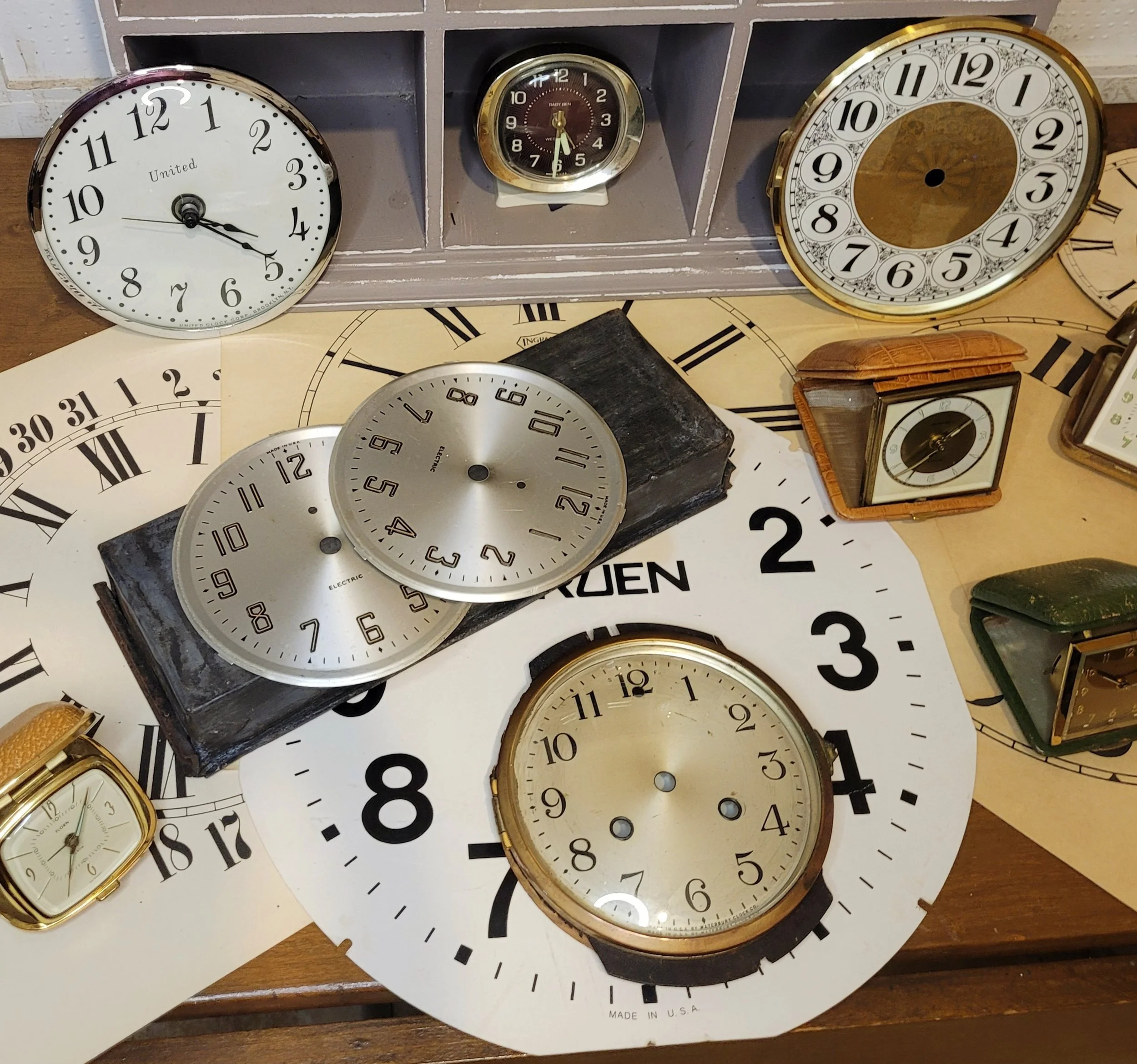
For many years my work life revolved around building things— many different kinds of work and environments, structures, businesses, classrooms, systems. Each one adding another layer of experience and perspective.
For more than two decades, plants and flowers were at the center of that world. Working with them every day teaches you to notice things most people pass by—the subtle shift of color in a petal, the rhythm of seasonal change, the delicate systems that allow a garden to thrive.
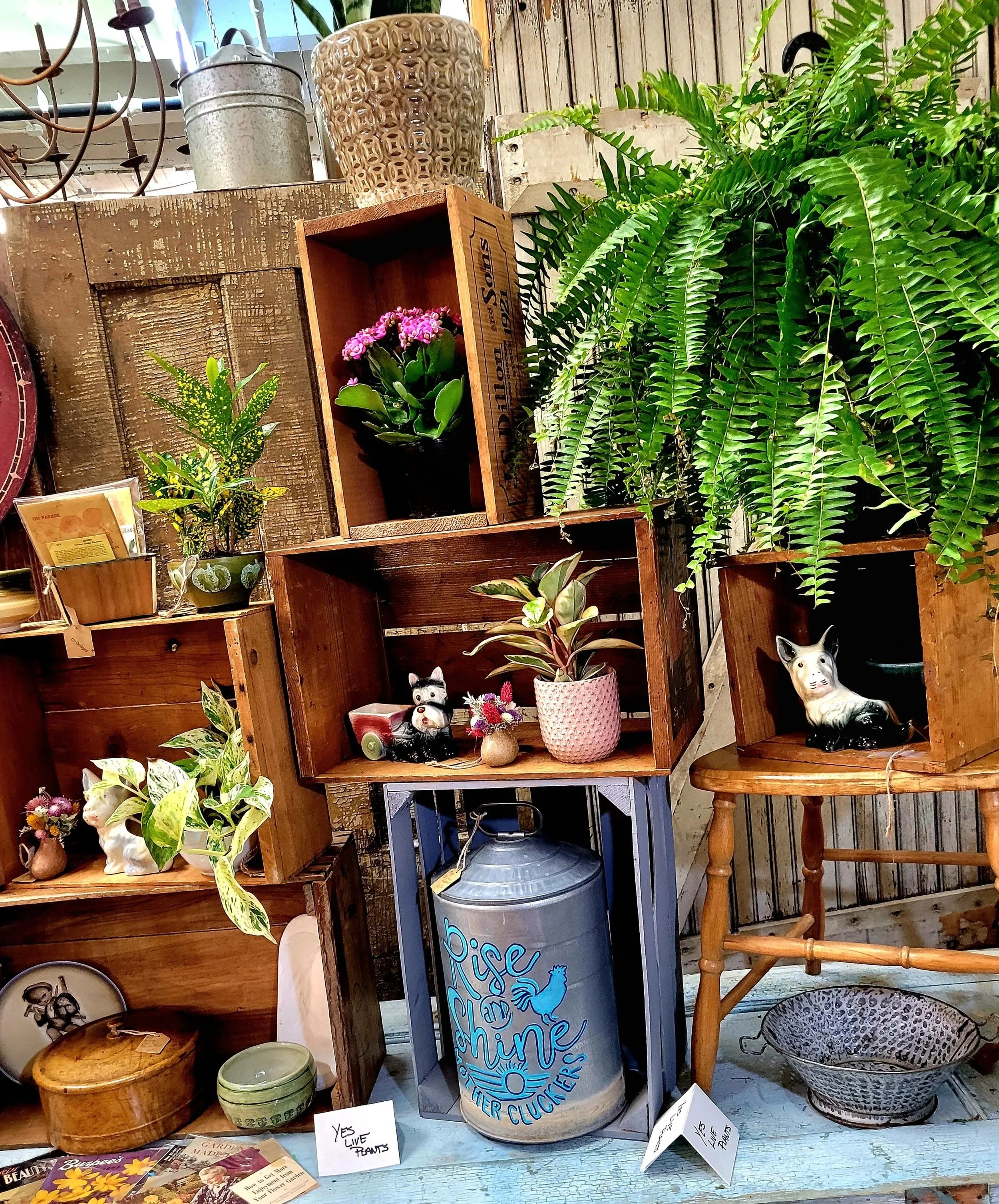
Those layers of the past shaped the way I see the world.
More recently I stepped away from many of the larger structures of work and business having entered to what the workforce calls retirement. Instantly I returned to something that has always been quietly present in the background: making art.
These days the studio feels a bit like a field station for observation. I spend time collecting small visual fragments—vintage papers, textures, natural forms, garden elements—and letting them settle into new relationships.
The work that is beginning to emerge explores what I think of as layers of time and place. Nature, history, memory, and pattern all overlapping in subtle ways.
One of the first series growing from this exploration is inspired by pollinator gardens. These small ecosystems are incredibly complex, full of movement and interdependence. They are both fragile and resilient—something our world needs more of right now.
After years of working with plants, it feels natural to return to that world again—this time through pattern, texture, and image.
In the coming months I’ll be sharing notes from the studio as new work develops. Some entries may focus on materials, others on observation, symbolism, or the stories hidden in everyday objects.
Think of it as a set of field notes—small glimpses into the process of gathering pieces and letting them form something new.
Thanks for following along.
